
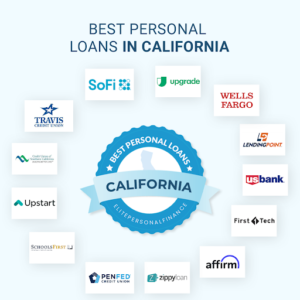
Finding the right personal loan in California really comes down to what you’re trying to do. Are you looking for a quick cash injection to fix something that broke, or do you need a large sum to consolidate high-interest debt? Depending on who you talk to, you can secure unsecured funds starting at a $2,500 minimum up to $100,000.
Understanding Your Unsecured Options
When you apply for a personal loan, you’re usually looking at an unsecured arrangement. This means you aren’t putting your car or your house on the line to back the debt. Since there’s no collateral for the lender to seize if you stop paying, they take on more risk. That’s why they’ll look so closely at your credit score and your income.
California residents have a few different paths here. Some lenders prioritize speed and might get you funds as early as the next business day. Others focus on the total amount you can borrow, which is better if you’re planning a large project. You’ll need to decide if you want a lump sum or a line of credit.
A personal line of credit works differently than a standard loan. Instead of getting one big check, you get access to a pool of money you can dip into whenever you need it. This is handy for unpredictable medical bills or ongoing home repairs. That said, most people find the simplicity of a single lump sum easier to manage when they’re paying off a specific expense.
If you go the lump sum route, which is the standard “personal loan”—you get the money all at once. You’ll have a fixed amount, a fixed interest rate, and a set schedule for paying it back. It’s straightforward, which helps with the mental load of managing monthly payments.
The amount you can actually borrow varies a lot between local credit unions and big national digital lenders. For example, a CalBank Trust unsecured loan might offer a much higher ceiling, reaching up to $100,000, while smaller community institutions might cap their offerings much lower. Just make sure you match your borrowing limit to what you actually need, not just the maximum the bank is willing to give you.
I had a friend who borrowed $15,000 for a kitchen remodel through a local credit union. He thought he needed $20,000, but once the actual quotes came in, the $15,000 covered everything perfectly. Don’t borrow more than you need; you’ll just end up paying interest on money that’s sitting idle in your checking account.
Comparing Rates and Terms Across Lenders
Interest rates are the most important numbers in your contract, but they aren’t everything. You should look at the Annual Percentage Rate (APR), because that includes both the interest and any mandatory fees. A low interest rate paired with a high origination fee can actually cost you more than a slightly higher rate with no fees at all.
If you want speed and everything to happen online, some providers specialize in quick funding. Discover offers personal loans with APRs ranging from 6.99% to 24.99%, which covers just about every credit situation. They also offer flexible terms and can often get money to you by the next business day.
But not everyone has a perfect credit history. If your score is lower than average, you might have to look at different products designed for those circumstances. You might have to accept a higher interest rate just to get the approval you need to consolidate expensive credit card debt.
Here is how common loan structures for California borrowers usually look:
| Lender Type | Typical Loan Range | Key Feature |
|---|---|---|
| National Digital Lenders | $2,500 – $40,000 | Fast funding, online application |
| Local Credit Unions | $2,500 – $100,000+ | Personalized service, potential for lower rates |
| Specialized Bad Credit Lenders | Variable | Higher APR, easier approval for low scores |
How much would a $30,000 personal loan cost you every month? It depends on your rate and your term length. If you take that money over 60 months at a moderate rate, the payment will be significant. Run these numbers through a calculator before you sign anything to make sure the monthly payment actually fits your budget.
Some lenders offer terms up to 60 months. A longer timeframe makes your monthly payment smaller and easier to handle, but you’ll end up paying much more in total interest over the life of the loan. You have to find the sweet spot between a payment you can afford today and the total cost of the debt tomorrow.
If you find yourself with extra cash mid-year, check your contract for a prepayment penalty. Some lenders don’t like it when you pay them back early because they lose out on interest. You want a lender that lets you pay the loan off early without charging you a fee for being responsible.
The Reality of Credit Scores and Approvals
Your credit score is how a lender sees you. If you have a high score, you have the luxury of shopping for the lowest APR. If your score is low, your goal changes from “finding the lowest rate” to “finding a lender that will actually say yes.”
Many people in California struggle with credit because of the high cost of living or using credit cards for basic necessities. If you’re in this spot, you might need to look for “bad credit” products. These aren’t easy money; they are just more accessible, and they often come with much higher interest rates that can become a trap if you aren’t careful.
When you’re hunting for Fast Loans California, you might see marketing claims about “guaranteed approval.” Don’t fall for that. No legitimate lender guarantees approval without checking if you can actually repay the debt. Anyone promising a guaranteed loan is likely a scammer or a predatory lender.
If you need money fast, you might be tempted to skip the research. That’s a mistake. One bad decision on an interest rate can haunt your finances for years. I once knew a guy who took a high-interest, payday-style personal loan because he needed $2,000 for a transmission repair, and he ended up paying back nearly $5,000 over the term.
Instead, do these things to improve your chances of approval:
- Check your credit report for errors before you apply.
- Gather your last two years of W-2s or 1099s and recent pay stubs.
- Verify your monthly rent or mortgage obligations.
- Avoid applying for multiple loans at once, as this can trigger several hard inquiries on your credit report.
Hard inquiries can temporarily dip your score. If you are shopping around, try to do your comparisons within a short window, usually two weeks. Many scoring models treat multiple inquiries for the same type of loan in that window as a single inquiry, which protects your score while you hunt for a deal.
Managing Your Debt After the Funds Arrive
Getting the money is the easy part. Managing it is where people run into trouble. Once that lump sum hits your account, you need a plan. If you used the loan for debt consolidation, send that money directly to your creditors. Don’t let it sit in your checking account where it might get eaten up by other expenses.
If the loan was for a home renovation, pay the contractors directly or keep receipts for every single nail and board. Mixing personal loan funds with your regular spending money is a recipe for disaster. You’ll lose track of what was a necessary expense and what was just a regular purchase, making your budget impossible to manage.
It’s also worth considering how the loan affects your debt-to-income ratio. This is the metric lenders use to see how much of your income goes toward debt. Adding a large personal loan can actually make it harder to get a mortgage or an auto loan later, even if you make your payments on time, because you’ve increased your total monthly obligations.
If you can, always automate your payments. Most lenders offer an autopay feature that can sometimes even trigger a small discount on your interest rate. It ensures you never miss a due date, which is the best way to protect your credit score while you pay down the balance.
Avoid the trap of refinancing your personal loan too many times. It might seem smart to take out a new loan to pay off an old one for a better rate, but the origination fees and the hit to your credit score can negate any savings. Do the math very carefully before you move money around.
If you start struggling to meet your monthly payments, contact your lender immediately. Many institutions have hardship programs that can temporarily adjust your terms or pause payments. It is much better to be proactive than to wait until you’ve missed several payments and are facing collections.
Always check for prepayment penalties in the fine print before signing your loan agreement.
Questions people ask
What is the best personal loan in California?
The best loan depends on your credit score and purpose, but competitive options include local credit unions for lower rates or online lenders for faster funding.
What is the easiest personal loan to get approved for?
Personal loans from online lenders often have easier approval processes due to automated underwriting and more flexible credit requirements.
Which bank is the easiest to get a personal loan with?
While major banks have strict requirements, online lenders and credit unions are generally easier to secure loans from due to higher approval rates.
How much would a $30,000 personal loan cost a month?
A $30,000 loan might cost between $600 and $900 per month, depending on your interest rate and the repayment term length.
Are there specific regulations for personal loans in California?
Yes, lenders must comply with California-specific consumer protection laws, including strict regulations regarding interest rate caps and disclosure requirements.

